Student Excursion Trip

Sundarban Student Excursion Trip – Field Study and Educational Research Tour

Students conducting field study during Sundarban student excursion trip

Sundarban Student Excursion Trip is a perfect blend of education, research, data collection and nature exploration. This three days excursion program helps students learn about environment, gain practical knowledge through fieldwork, surveys, and observation. Therefore, it becomes an ideal as well as practical excursion trip for schools, colleges and university students and teachers. Mainly, the students who seek real learning experiences beyond classroom study.

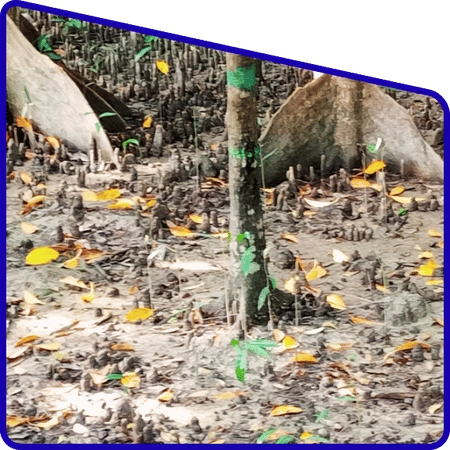
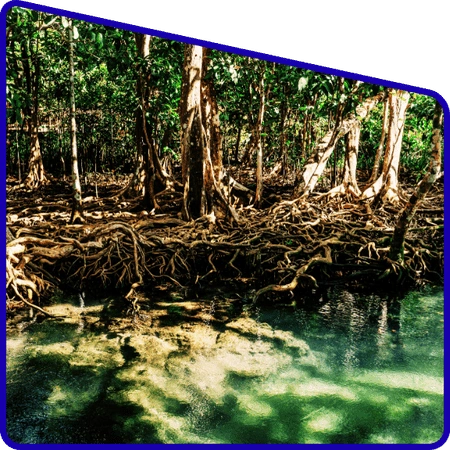
Students observing mangrove root system in Sundarban

Field Study and Data Collection in Sundarban

This excursion trip focuses on practical field study. Students here collect real data from Sundarban natural surroundings. It improves analytical thinking and helps their observation skills grow. Moreover, students learn basic research techniques, measures to protect environment. As a result, this student excursion trip becomes highly beneficial for academic students learning and their subject-based project development.

Practical Data Collection Methods for Students

Students collect field observations on plants, soil, rivers, wildlife and environment using notebooks and simple tools. Sometimes students interact with villagers to get more data.This process builds research skills and helps them understand how real environmental data is collected.

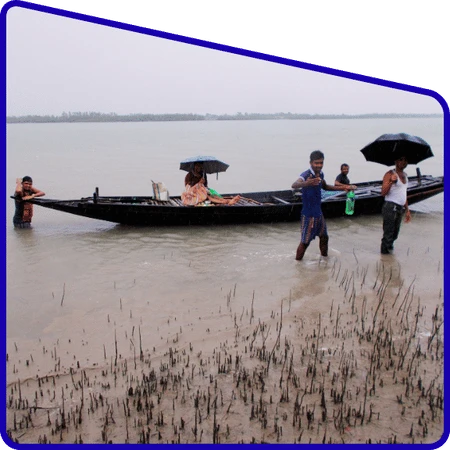
Students interacting with fishermen in Sundarban village
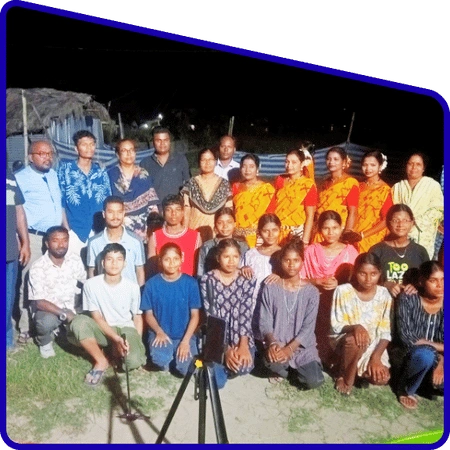
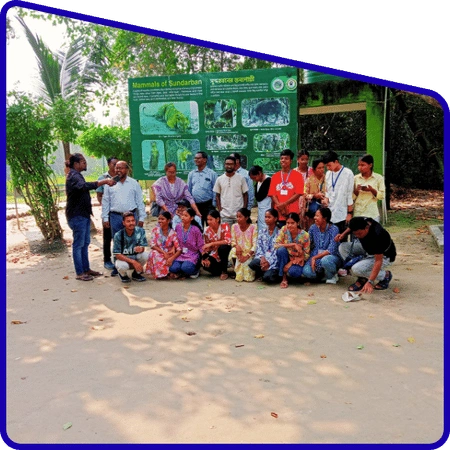
Student group photo during excursion trip in Sundarban
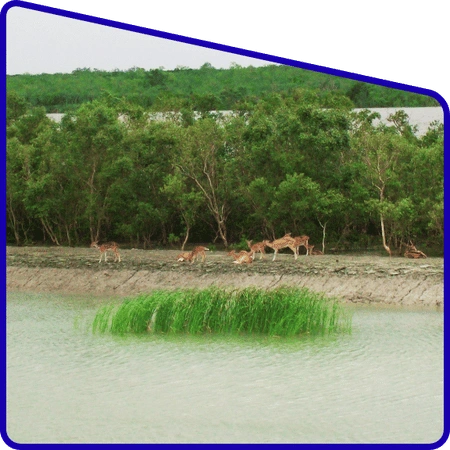
Students spotting deer in Sundarban forest area
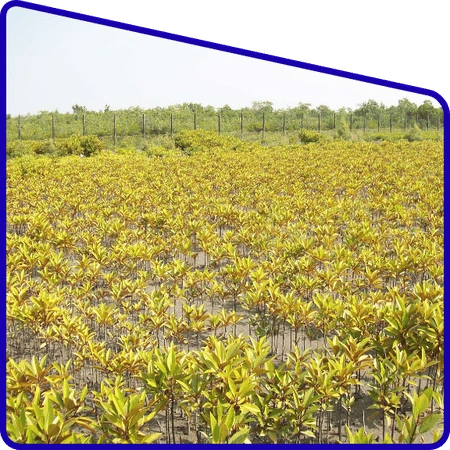
Botany students studying mangrove plants in Sundarban forest

Village Survey and Socio-Economic Study

Village walks are an important part of this excursion trip. Students interact with local people and understand their lifestyle. Furthermore, they study income sources and occupations of the villagers. Hence, this geographic excursion trip gives clear knowledge about rural socio-economic status of Sundarban.


Understanding Rural Economy Through Field Survey

Students conduct basic surveys by asking simple questions about occupation, income, education, and living conditions. This helps them understand real socio-economic challenges faced by people live in Sundarban villages.

Sundarban Student Excursion Trip – A Perfect Educational Tour

A Student Excursion Trip to Sundarban is an ideal educational journey. Truely here students learn through observation, exploration, and real-life experience. Such trips help students connect classroom knowledge with the natural world. At the same time they are developing curiosity about the environment. The Sundarban region, known for its vast mangrove forests and unique ecosystem. Obviously this trip  provides an excellent field-learning destination for schools and colleges.

During the Geographic Excursion, students observe delta landforms, river channels, tidal movements, and the unique geography of the mangrove region. The Botanic Excursion focuses on studying mangrove trees, salt-tolerant plants, and their adaptation to the coastal environment. Meanwhile, the Biological Excursion Trip helps students learn about the rich biodiversity of the forest, including birds, aquatic life, reptiles, and other wildlife species.

Students studying agriculture practices in Sundarban

Geographic, Botanic, Biologic and Zoologic Student Excursion Trip

Students studying biodiversity in Sundarban mangrove forest

Sundarban Geographic Excursion Trip

Geographically, the Sundarbans is an intricate labyrinth of tidal waterways, mudflats, and estuarine islands. The constantly shifting landscape forms shape with the interplay of riverine silt deposits and tidal actions. This dynamic environment creates a mosaic of intertidal habitats that support a wide array of wildlife and plant species.

Sundarban Botanic Excursion Tour

Botanically, the Sundarbans comprises a sprawling mangrove forest, the largest of its kind globally. The mangroves are characterised by salt-tolerant trees such as Sundari, from which the region derives its name. These trees adapt to the saline coastal environment and play a major role in forming quiet, calm and serine nature. 

Sundarban Biological Excursion Tour

Biologically, the Sundarbans is famous for its population of Royal Bengal tigers, crocodiles, Deer, wild Pig, migrant birds, and more. The region also hosts a diverse array of other species, including saltwater crocodiles, spotted deer, and a variety of migratory and resident bird species, such as the fish eagle and kingfisher.

Sundarban Zoological Excursion Tour

The Zoological Excursion Trip in Sundarban is an exciting educational experience where students learn about wildlife and all habitats in the mangrove forest. This Student Excursion Trip to Sundarban helps students understand zoology in a practical way while encouraging respect for wildlife and nature conservation.

Students staying in safe hotel during Sundarban excursion trip
Students enjoying jungle safari during excursion trip
Students visiting local market in Sundarban village
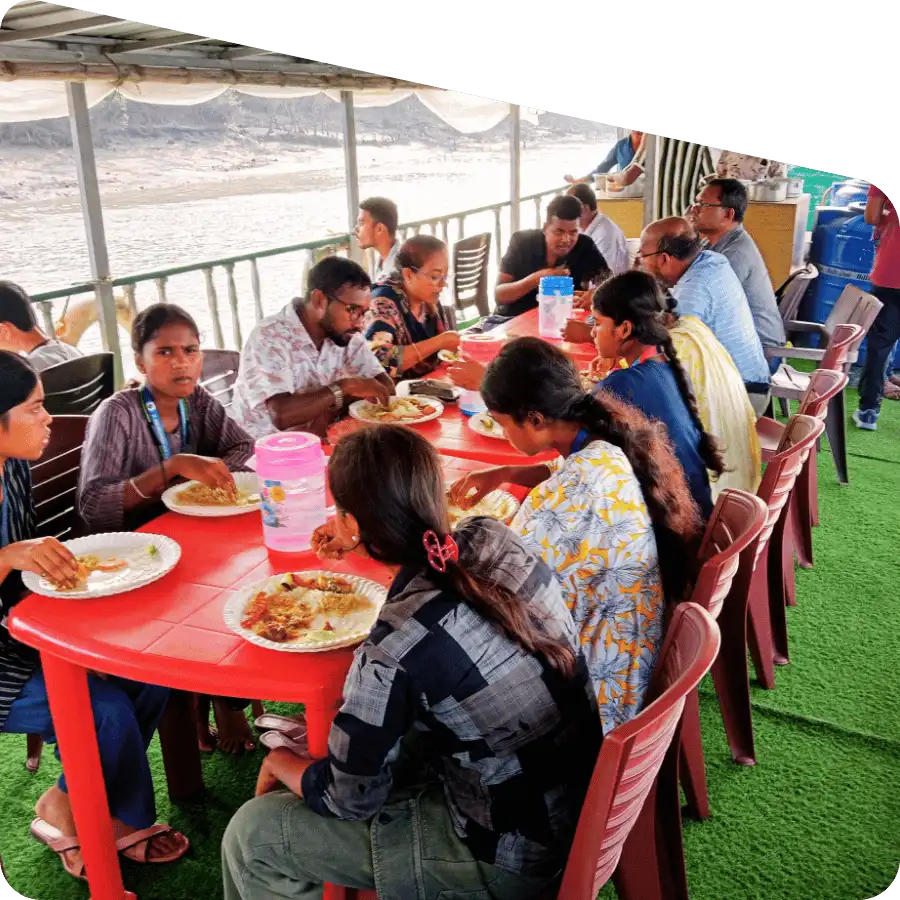
Students having hygienic meals during excursion trip in Sundarban
Students studying nature and environment in Sundarban
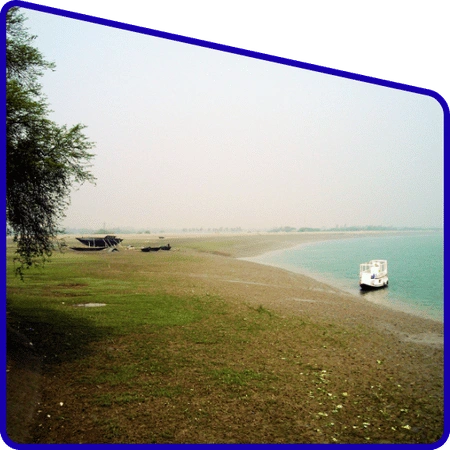
Students observing river system and delta formation in Sundarban

Soil Study and Land Formation Analysis

This excursion trip includes soil analysis to help students understand land formation. They observe soil texture, salinity, and fertility. In addition, they learn about tidal flow, erosion and sedimentation. Therefore, this geography based excursion trip provides practical understanding of land formation and delta structure.

Soil Sampling and Salinity Observation Process

Students collect soil samples from different areas and observe texture and moisture. They also observe salinity effects. This helps them understand how coastal soil conditions influence agriculture and plant growth.

Mangrove Plant Study for Botany Students

Mangrove forests help students get excellent opportunities to learn botany. This excursion trip also helps them understand plant adaptation in saline conditions. Moreover, they observe different species. As a result, this botany excursion trip becomes highly educational for practical plant study.

Study of Mangrove Plant Adaptation Techniques

Students observe unique root systems, leaf structures, and growth patterns of mangroves. They learn how these plants survive in salty water and difficult environmental conditions through natural adaptation processes.

Wildlife Observation for Zoological Study

This zoological excursion trip allows students to study wildlife in natural habitats. They observe animals, birds, and reptiles. Furthermore, they learn about behavior and survival. Therefore, it becomes an effective way to understand zoology through real-life experience.


Observing Animal Behavior in Natural Habitat

Students watch animals like deer, birds, and crocodiles from safe locations. They note movement, feeding habits, and interactions, which helps them understand wildlife behavior and ecological balance in Sundarban.

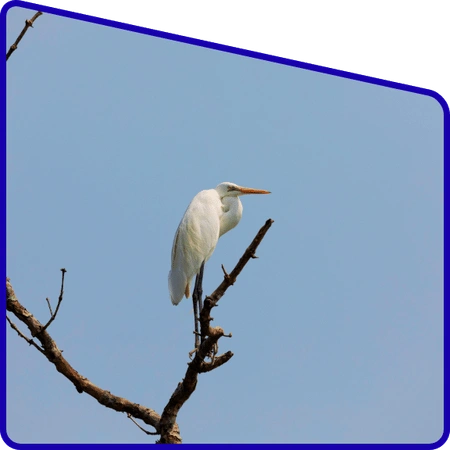
Students watching birds during Sundarban excursion trip
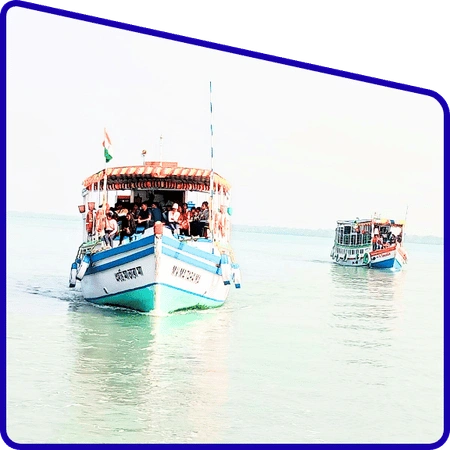
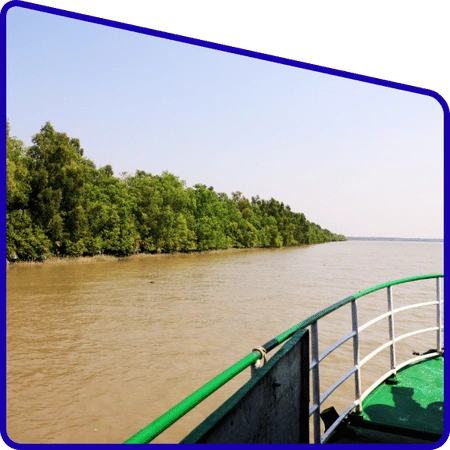
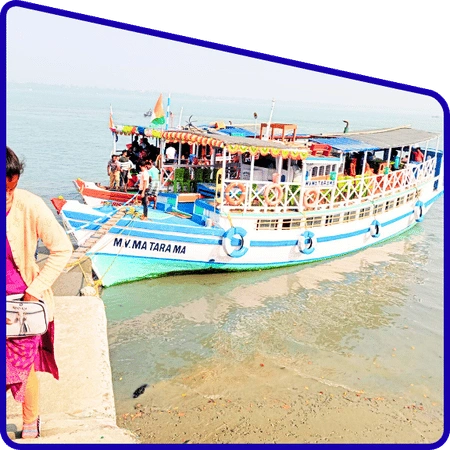
Students traveling by boat in Sundarban river channels
Students observing climate change effects in Sundarban region
Students observing crocodile habitat in Sundarban
Students learning ecological balance in Sundarban
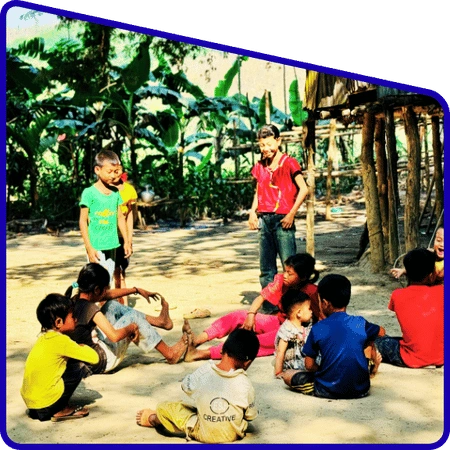
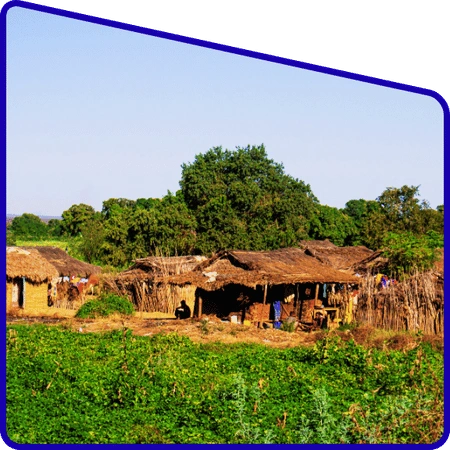
Students exploring rural life in Sundarban villages

Ecosystem and Biodiversity Analysis

Understanding ecosystems is essential for environmental education. This excursion trip helps students study biodiversity and relationships among living organisms. In addition, they learn about conservation. Hence, this biological excursion trip builds strong environmental awareness and scientific understanding.

Study of Food Chain and Biodiversity Balance

Students analyze how plants, animals, and environment depend on each other. They learn food chain concepts and understand how biodiversity maintains ecological balance in the Sundarban ecosystem.

River System and Delta Study for Geography

Sundarban is part of a large delta system. This excursion trip helps students study river flow and land formation. Moreover, they observe tidal effects. Therefore, this geographic excursion trip provides real-life knowledge of river and delta systems.


Observing River Flow and Delta Formation

Students study water movement, sediment deposits, and changing river paths. They understand how rivers shape land over time and contribute to delta formation in coastal regions.

Interaction with Local Villagers

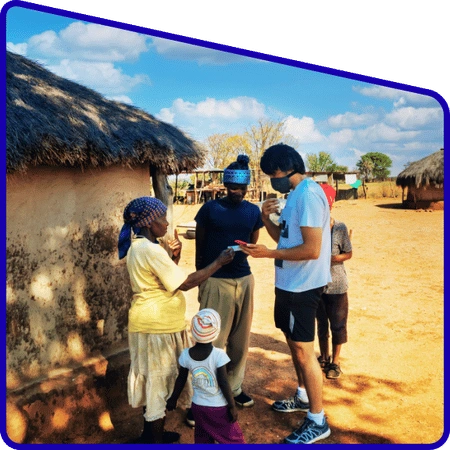
Interaction with local people gives students practical knowledge about life in Sundarban. They communicate with fishermen and farmers. Furthermore, they learn daily challenges. As a result, this excursion trip builds social awareness and real-life understanding.


Learning Local Livelihood and Survival Methods

Students interact with villagers to understand fishing, farming, and resource use. They learn how people survive natural challenges and manage their livelihood in a difficult environmental condition.

Students studying ecosystem and biodiversity in Sundarban
Students enjoying educational excursion trip in Sundarban
Students attending environmental awareness session
Students involved in research activity in Sundarban
Students entering Sundarban forest area for study tour
Students collecting soil samples in Sundarban for geography study

Environment & Climatic Challenges

Sundarban faces environmental issues like climate change and rising sea levels. This excursion trip helps students study these problems. Moreover, they learn conservation importance. Therefore, it increases awareness about protecting nature and environment.

Study of Climate Change and Its Impact

Students observe signs of erosion, flooding, and environmental damage. They learn how climate change affects biodiversity and human life, helping them understand the importance of conservation efforts.

Project Work and Report Preparation

This excursion trip supports academic project work. Students collect data and prepare reports based on findings. In addition, teachers guide them properly. Hence, this educational excursion trip becomes useful for exams and internal assessments.

Preparing Educational Reports from Field Data

Students organize collected information into structured reports. They analyze findings and present conclusions, which helps improve their academic performance and understanding of real-world environmental and social topics.

Why is is the Best Educational Trip

This excursion trip combines study, research, and enjoyment in one program. It provides real-life learning experience. Moreover, it supports multiple subjects. Therefore, it is considered one of the best student excursion trips for schools and colleges.

Complete Learning Through Practical Experience

Students gain knowledge through observation, survey, and interaction. This method improves understanding, builds confidence, and helps them connect theoretical knowledge with real-world situations effectively.

Students interacting with villagers for socio economic survey in Sundarban
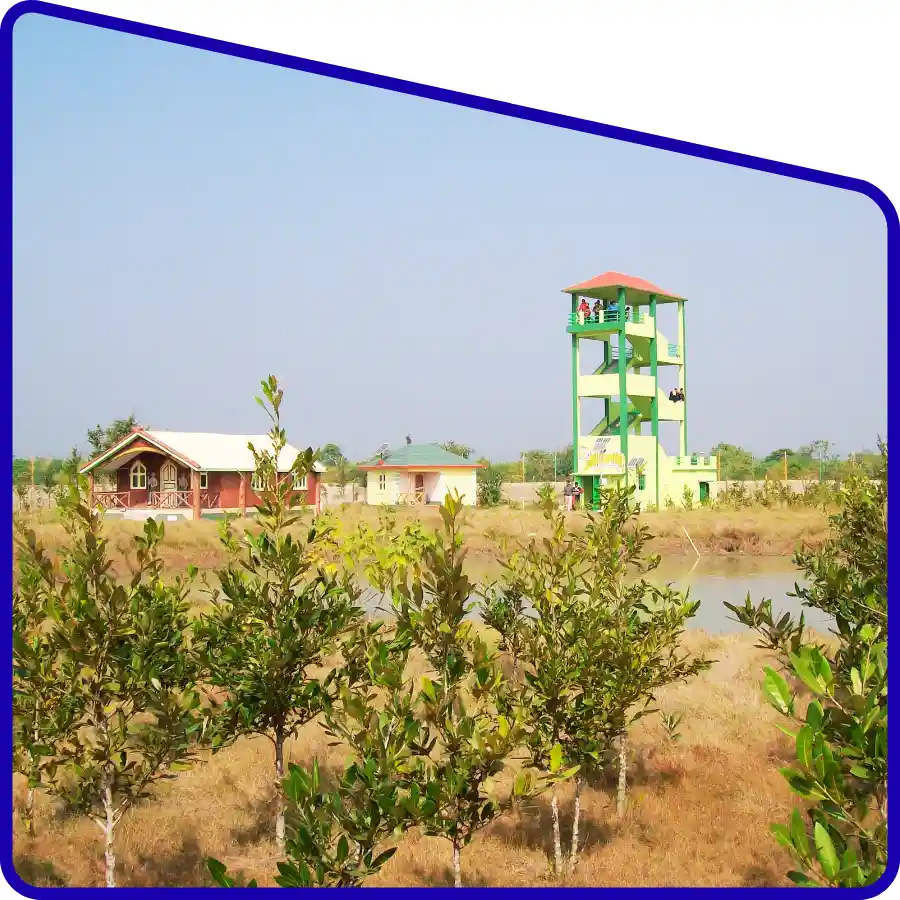
Students visiting watchtower for wildlife observation in Sundarban
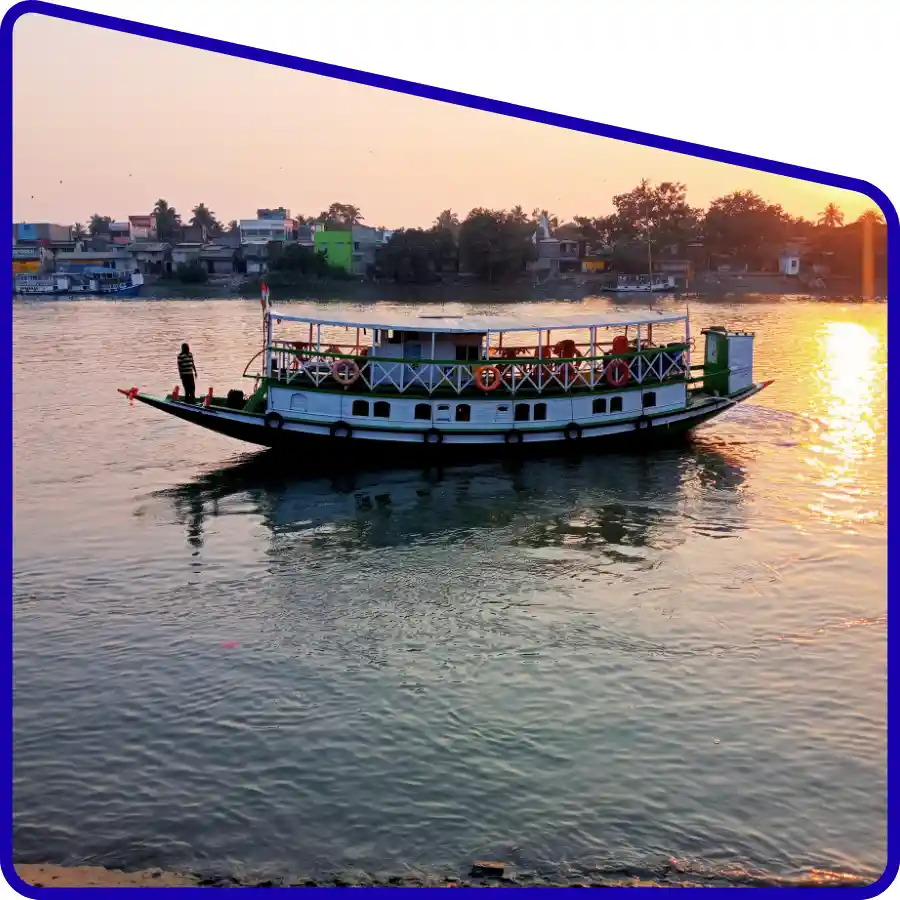
Students learning water transport system in Sundarban
Students observing wildlife in Sundarban during zoological excursion trip
Sundarban Student Excursion Trip Delicioua Dish
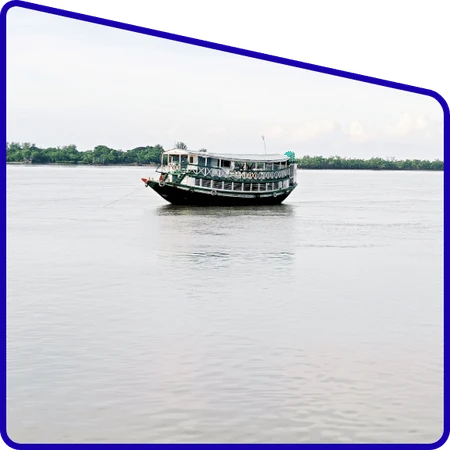
Sundarban Safari Tour Boat for Students Excursion Trip